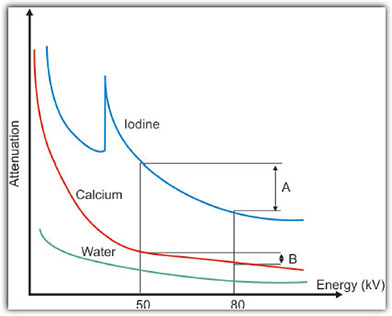
Conversely, nonuric acid stones demonstrate exaggerated attenuation at eighty kVp because of exaggerated electricity impact contribution from the heavier parts nearing the Kedge of the metallic element (Z=) victimization the twomaterial (basis pair) decomposition approach on DECT, water and iodine image datasets square measure generatedIodine has a particular advantage as a contrast agent because the kshell binding energy (kedge) is 332 keV, similar to the average energy of xrays used in diagnostic radiography 1 When the incident xray energy is closer to the kedge of the atom it encounters, photoelectric absorption is more likely to occur @article{osti_, title = {WEFG7B01 BEST IN PHYSICS (IMAGING) Abdominal CT with Three KEdge Contrast Materials Using a WholeBody PhotonCounting Scanner Initial Results of a Large Animal Experiment}, author = {Lakshmanan, M and Symons, R and Cork, T and DaviesVenn, C and Rice, K and Malayeri, A and Sandfort, V and Bluemke, D and
Frontiers In Vivo Small Animal Micro Ct Using Nanoparticle Contrast Agents Pharmacology
K edge iodine ct
K edge iodine ct-Increased separability of Kedge nanoparticles by photoncounting detectors for spectral microCT Xray CT/microCT methods with photoncounting detectors (PCDs) and high Z materials are a hot research topic Phantoms containing iodine and aqueous nanomaterials were scanned on a MARS spectral microCT Image volumes were segmented intoDual Energy CT (DECT) •Different materials attenuate xrays differently when different energy is applied •Attenuation is greater when energy is closer to K edge of the material •Iodine attenuation 80kVp > 140 kVp Coursey C A et al Radiographics 10; Attenuation values from C CT


New Applications Of Cardiac Computed Tomography Dual Energy Spectral And Molecular Ct Imaging Abstract Europe Pmc
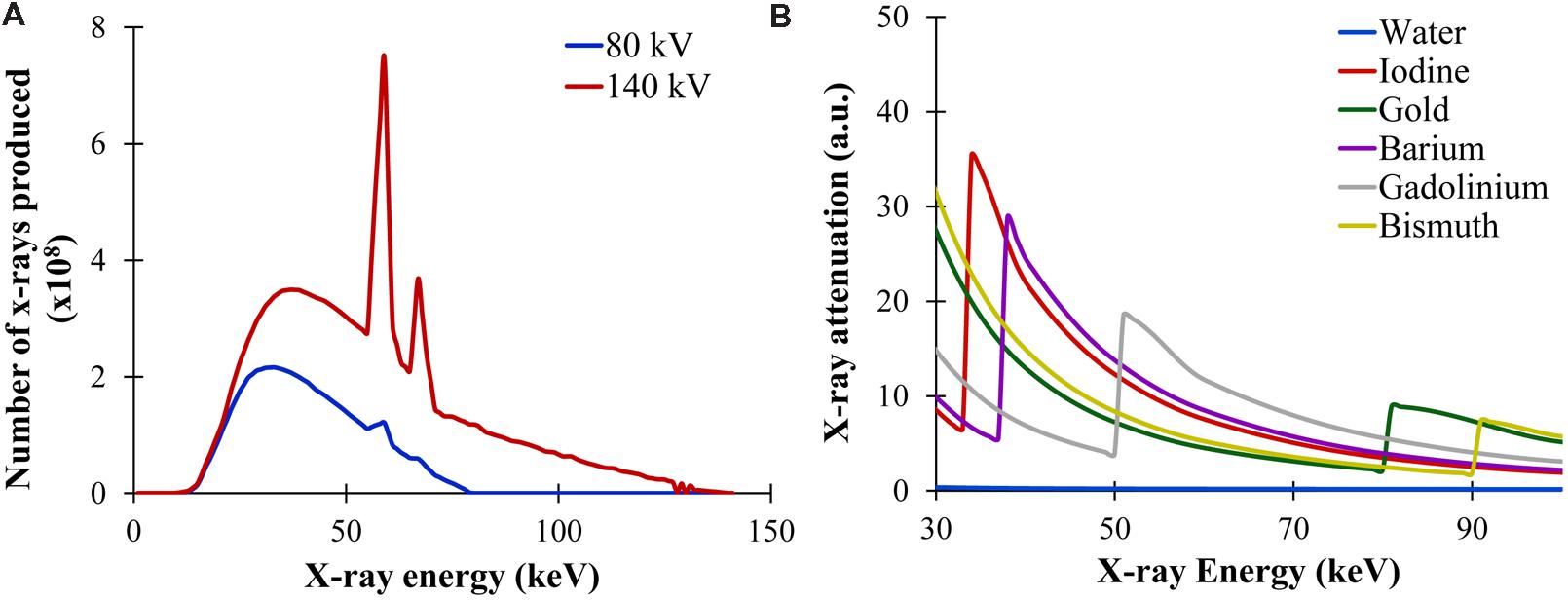
We have shown that spectral CT can simultaneously distinguish iodine and barium, which have Kedges that are only 4 keV apart Other contrast agents with a high atomic number are also likely to be able to be differentiated using multienergy Kedge imaging The use of gadolinium in dualenergy vascular imaging is promising 2, This opens Iodine Kedge CT imaging utilizes the sudden increase in the attenuation coefficient of iodine when the xray energy exceeds the Kshell binding energy of iodine Early works on Kedge CT used multiple Kedge filters to generate different quasimonoenergetic spectra with mean energies that straddled the iodine Kedge, and then multiple projections acquired with theseFor selective iodine imaging in the presence of more than one other material, the threespectrum Kedge technique is a necessity Exposure requirements and beamhardening corrections are discussed in detail and a computersimulated CT image
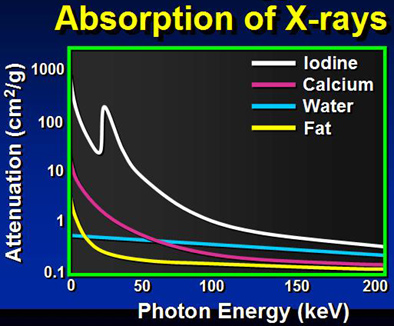
Be considered From a clinical point of view, iodine seems to be a good candidate for a first choice due to its widespread use in xray CT applications From a physical point of view, however, iodine is less promising for spectral Kedge imaging due to its relatively low Kedge energy of 332 keV In order to observe the Kedge discontinuityOf kedge imaging, lowenergy VMIs reconstructed close to the kedge of iodine at 332 keV show substantially higher attenuation of structures containing iodine and can be used to optimize enhancement of hypervascular lesions and parenchyma as well as blood vessels 9 (Table 3) Conversely, highenergy VMIs can be used toKedge a discontinuity in the absorption coefficient at an energy level corresponding to the binding energy of Kshell electrons
The start of the spectrum at 30 keV and iodine's Kedge energy (332 keV) to yield data of useful quality 34 Such an approach would likely be used for most clinicalscale photoncounting CT The aim of the present work is to analytically evaluate the signal to noise ratio (SNR) and the delivered dose in Kedge digital subtraction imaging (KES) using two types of xray sources a monochromatic xray source (available at synchrotron radiation facilities and considered as gold standard) and a quasimonochromatic compact sourceKedge imaging identifies a material based on its chemicallyspecific absorption discontinuity over Xray photon energy In this paper, we try to combine XRF and Kedge signals from the contrast agents (eg, iodine, gadolinium, gold nanoparticles) to simultaneously realize XFCT and Kedge CT imaging for superior image performance

Demonstration Of Iodine K Edge Imaging By Use Of An Energy Discrimination X Ray Computed Tomography System With A Cadmium Telluride Detector Springerlink

Dual And Multi Energy Ct Approach To Functional Imaging Abstract Europe Pmc
The Kabsorption edge (Kedge) refers to the abrupt increase in the photoelectric absorption of xray photons observed at an energy level just beyond the binding energy of the kshell electrons of the absorbing atom Kshell binding energies are specific to each element As the atomic number (Z) of an element increases, so does its corresponding kshell binding energy, and therefore theIodine Kedge CT imaging utilizes the sudden increase in the attenuation coefficient of iodine when the xray energy exceeds the Kshell binding energy of iodine Early works on Kedge CT used multiple Kedge filters to generate different quasimonoenergetic spectra with mean energies that straddled the iodine Kedge, and then multiple DualEnergy CT and Its Applications in the Abdomen Fig 311 Schematic of relationship of attenuation of iodine ( y axis) to photon energy ( x axis) Note peak in attenuation that occurs at 332 keV, the kedge of iodine The kedge of iodine is just above the kshell binding energy of the element
2
2
Conventional CT, gold Kedge, iodine and water images were produced and demonstrated accurate discrimination and quantification of gold and iodine concentrations in a phantom containing mixtures Iodine Kedge CT imaging utilizes the sudden increase in the attenuation coefficient of iodine when the xray energy exceeds the Kshell binding energy of iodine Early works on Kedge CT used multiple Kedge filters to generate different quasimonoenergetic spectra with mean energies that straddled the iodine Kedge, and then multiple The strong attenuation of xrays in the human body at around 33 keV xray energy limits the clinical applicability of KES imaging at the iodine Kedge This proofofprinciple study was performed with an iodine contrast agent as it is the standard contrast agent in clinical diagnostics, having the Kedge of iodine at 3317 keV
1

Epos Trade
To perform enhanced iodine Kedge CT, we developed an oscillation linear cadmium telluride (CdTe) detector with a scan velocity of 25 mm/s and an energy resolution of 12 keV CT The clinical applicability of KES CT at the iodine Kedge is limited due to the strong attenuation of Xrays in the human body at ~337 keV XrayClose to 332 keV, the K edge of iodine (b) Axial contrastenhanced portal venous phase CT image obtained at 140 kVp shows that iodinecontaining structures have lower attenuation as the beam energy moves farther away from the K edge of iodine tains neither element A nor element B Unknown substance 2 has higher attenuation at 0 kVp

Conventional Gold K Edge And Iodine Material Decomposition Images At Download Scientific Diagram
Dose Reduction In Mdct Technique Technology Ppt Download
Iodine Kedge CT imaging utilizes the sudden increase in the attenuation coefficient of iodine when the xray energy exceeds the Kshell binding energy of iodine Early works on Kedge CT used multiple Kedge filters to generate different quasimonoenergetic spectra with mean energies that straddled the iodine Kedge, and then multiple projections acquired with these spectraFigure 1 Scheme of CT system Table 1 Kedge properties of five materials according to NIST database 12 Material Gadolinium Iodine Iron Calcium Potassium Kedge energy (KeV) 7112 4038 3607 Kedge material (Y/N) Y Y N N N Kedge image contrast with spectral CT depends on the specifications of the two energy bins on both sides of a Kedge in the attenuation profile of a relatively high atomic number material The wider the energy bin width is, the lower the noise level is, and the poorer the reconstructed image contrast is
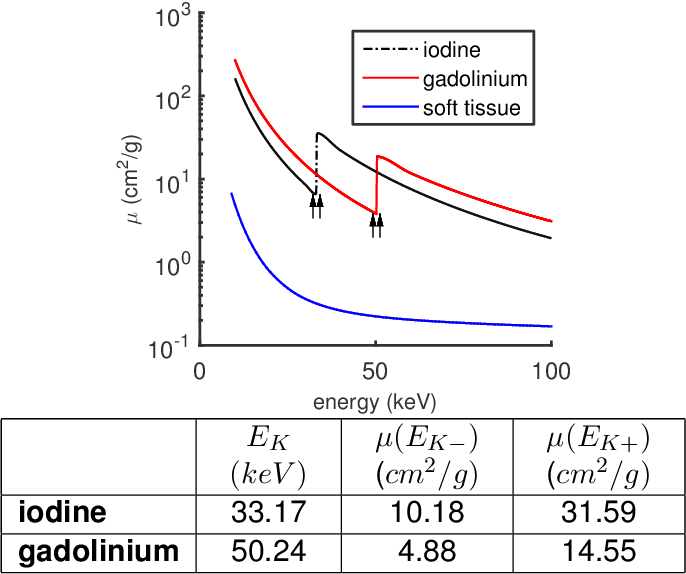
Figure 2 2 From K Edge Subtraction Vs A Space Processing For X Ray Imaging Of Contrast Agents Snr Semantic Scholar

In Vivo Molecular K Edge Imaging Of Atherosclerotic Plaque Using Photon Counting Ct Radiology
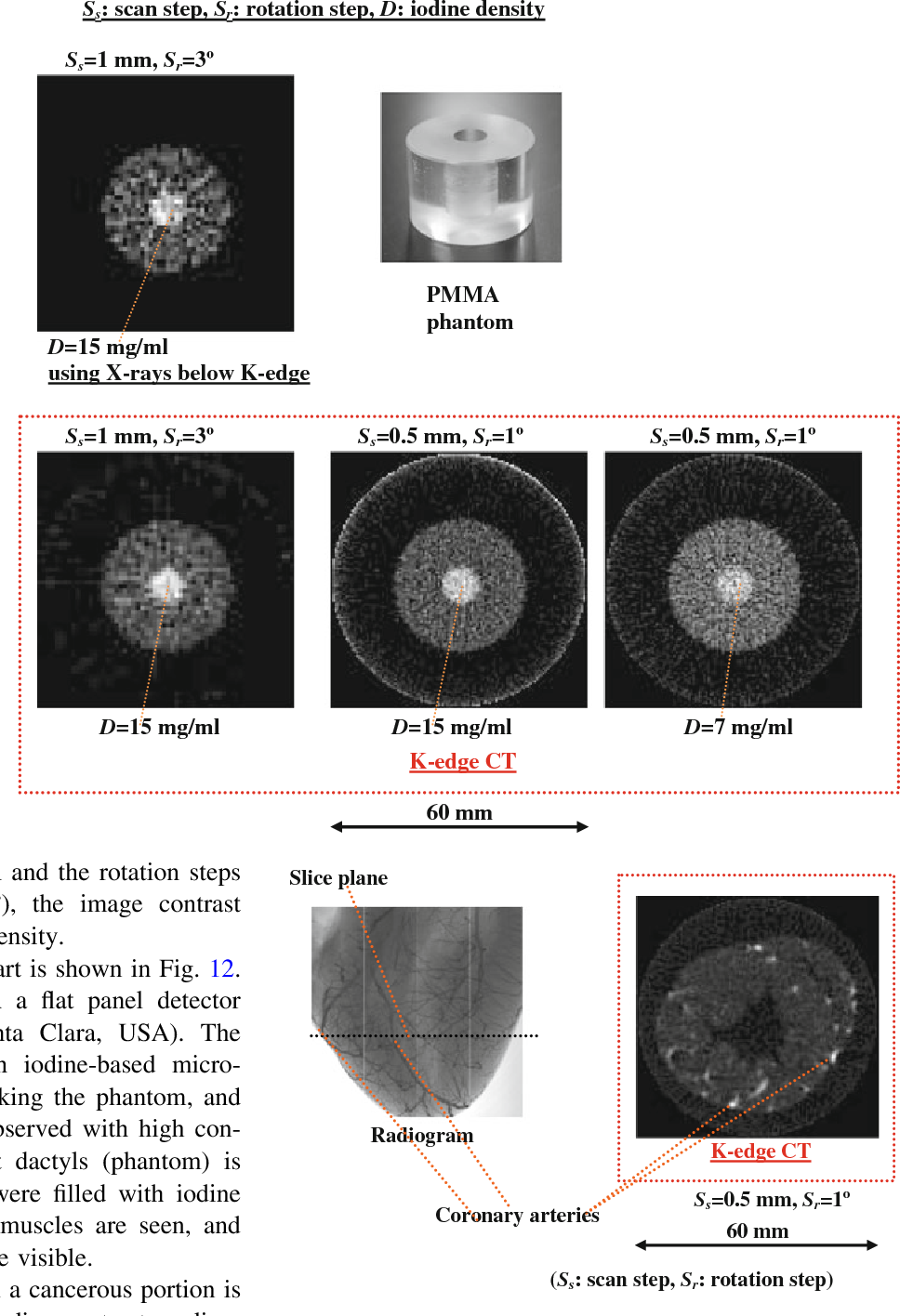
With the iodine Kedge CT method, the image density of the iodine media decreased substantially with increasing iodine density However, the density seldom varied when we used spectra with an energy range from 222 to 322 keV (below the Kedge energy) The spatial resolution improved with decreases in the scan and rotation stepsPurpose The Kedge of gold (81 keV) is located within the energy range of diagnostic CT This might be advantageous for material differentiation in dualenergy CT (DECT) The aim of this in vitro study was to compare the differentiation between iodine or gold and body tissues using DECT at different kV spectra Methods and Materials A water filled tank phantom containing specimensAbsorption edge Binding energy Xray notation Attenuation coefficient Photon Photon energy Electron shell Atom Photoelectric effect Electron Radiocontrast agent Iodine Barium CT scan Index of physics articles (K) J Robert Oppenheimer Resonant inelastic Xray scattering NuSTAR Water window Slater's rules
Only 2 Question And If You Want More Upvote Then Chegg Com

Attenuation Curves For Several Elements Note The Sharp Kinks In The Download Scientific Diagram
Gadolinium, like iodine, is a heavy metal capable of attenuating xrays The atomic number of gadolinium (Z=64) is higher than that of iodine (Z=53)The kedge of gadolinium is also more closely matched to the peak of the CT spectrum, meaning gadolinium absorbs a greater fraction of the xray beam than does iodineHowever, the lower concentration and total number ofFor selective iodine imaging in the presence of more than one other material, the threespectrum Kedge technique is a necessity Exposure requirements and beamhardening corrections are discussed in detail and a computersimulated CT imageRecently, Bazalova et al reported a Monte Carlo XFCT study based on energy resolving detector and compared XFCT with Kedge CT, showing that XFCT outperforms to Kedge CT
Frontiers In Vivo Small Animal Micro Ct Using Nanoparticle Contrast Agents Pharmacology

In Vivo Molecular K Edge Imaging Of Atherosclerotic Plaque Using Photon Counting Ct Radiology
Spectroscopic (MultiEnergy) CT Distinguishes Iodine and Barium Contrast Material in MICE Download Related Papers Dual and multienergy CT approach to functional imaging By Philip Butler Image Reconstruction for Hybrid TrueColor MicroCT By Philip Butler A simple xray computed tomography (CT) system utilizing a cadmium telluride detector and its application to enhanced iodine Kedge angiography are described The CT system is of the first generation type and consists of an xray generator, a turn table, a translation unit, a motor drive unit, a cadmium telluride detector, an interface unit for the detector, and a personalCalled K edge The closer the energy level of the xray beam is to the K edge of a substance such as iodine, the more the beam attenuates Thus the energy dependency of the photoelectric effect and the variability of K edges form the basis of DECT and can be used to detect substances such as iodine and calcium 26
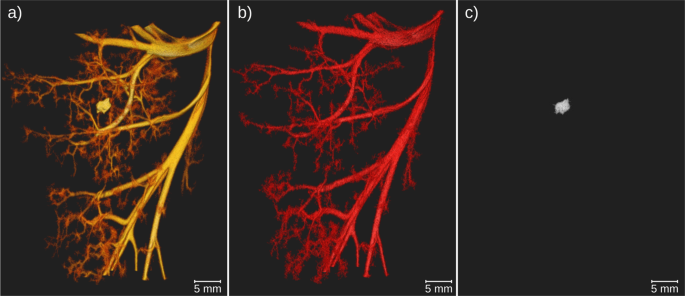
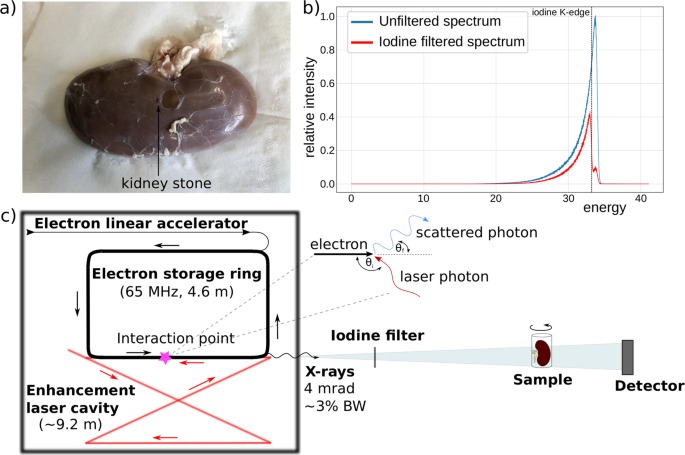
K Edge Subtraction Computed Tomography With A Compact Synchrotron X Ray Source Scientific Reports
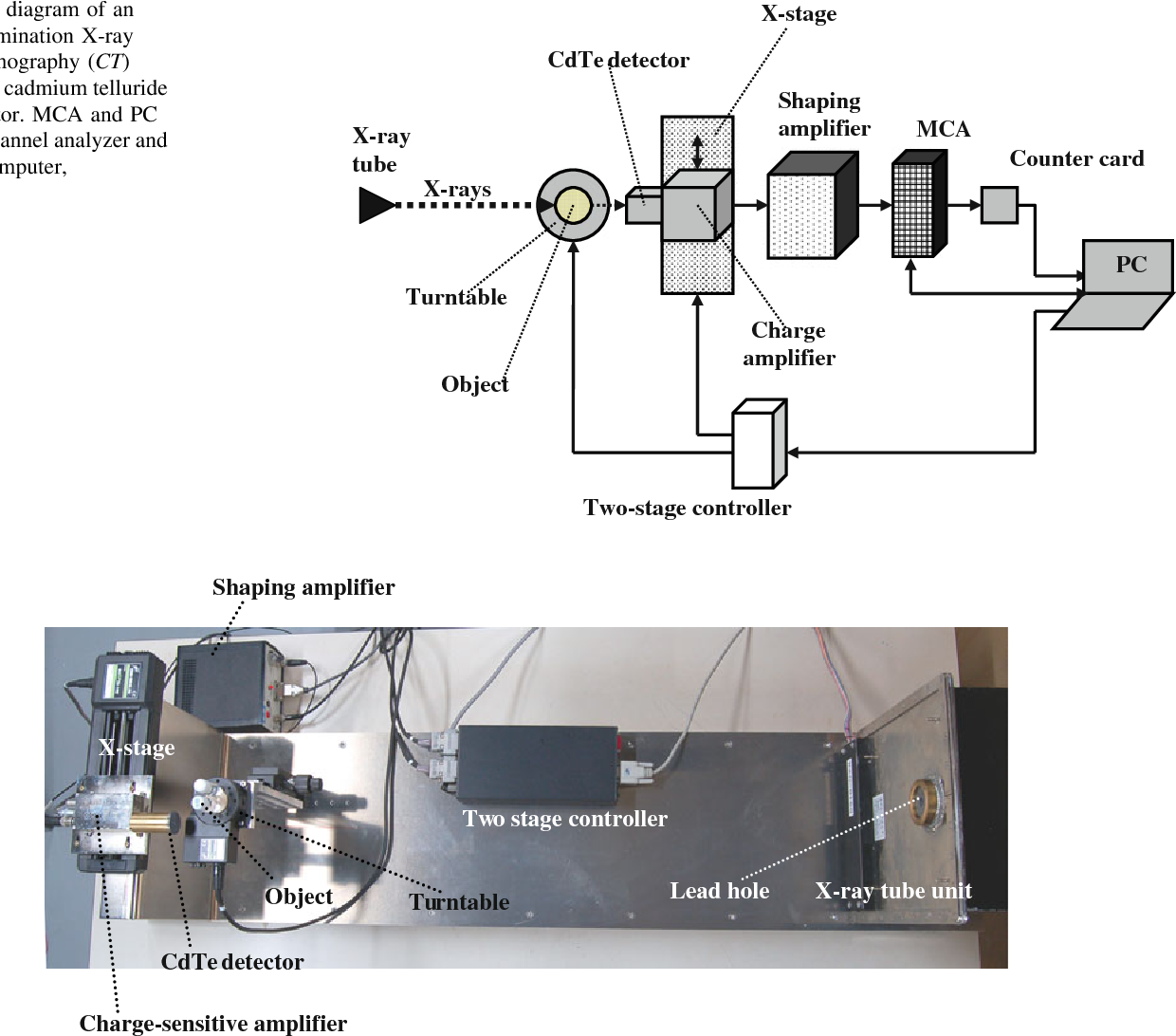
Demonstration Of Iodine K Edge Imaging By Use Of An Energy Discrimination X Ray Computed Tomography System With A Cadmium Telluride Detector Semantic Scholar
An energydispersive (ED) Xray computed tomography (CT) system is useful for carrying out monochromatic imaging To perform enhanced iodine Kedge CT, we developed an oscillation linear cadmium telluride (CdTe) detector with a scan velocity of 25 mm/s and an energy resolution of 12 keVCT is performed by repeated linear scans and rotations of an objectGadolinium Both elements are widely applied in medical contrast agents For spectral CT iodine has the disadvantage that its Kedge is at the rather low energy of 332 keV and can therefore hardly be discriminated from other tissue in thicker objects such as, eg, human patients by means of its Kedge In the presence of materials with distinctive kedge discontinuity such as iodine, the linear attenuation coefficient μ can be described as (1) μ x →, E = a 1 x → 1 E 3 a 2 x → f K N a 3 x → f I E where a 1, a 2 and a 3 denotes the local density of the basis function, f KN the Klein–Nishina function and f I the mass

X Ray Physics X Ray Interaction With Matter X Ray Contrast And Dose Xrayphysics
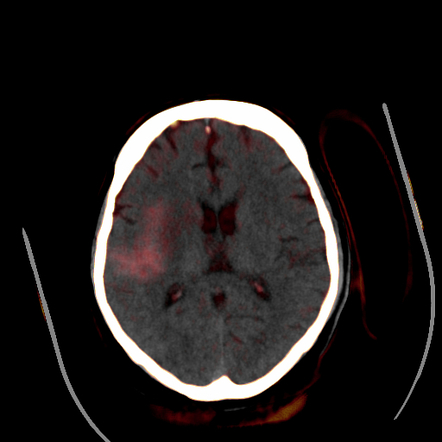
Dual Energy Ct Radiology Reference Article Radiopaedia Org
Kedge imaging SPCCT K enables the discrimination between either one Kedge material and iodine such as gadolinium, or two Kedge materials, such as gold and gadolinium SPCCT can qualitatively and quantitatively separate either gadolinium and iodine or gadolinium and gold with good accuracy (offsets between 068 and 0 mg/mL, R2 ≥097 Kedge subtraction imaging for iodine and calcium separation at a compact synchrotron xray sourceWhile Kedge filtration improved SNR of CaCO3 and iodine by 41% and 36%, respectively, in DE subtracted images, it did not deteriorate SNR in general images For xray imaging with nonideal PC detector, the positive effect of the Kedge filter was increased when FWHM energy resolution was degraded, and maximum improvement was at 60% FWHM
Low Energy High Current Ct Nabs Tiny Liver Lesions

Ct Design And Operation Oncology Medical Physics
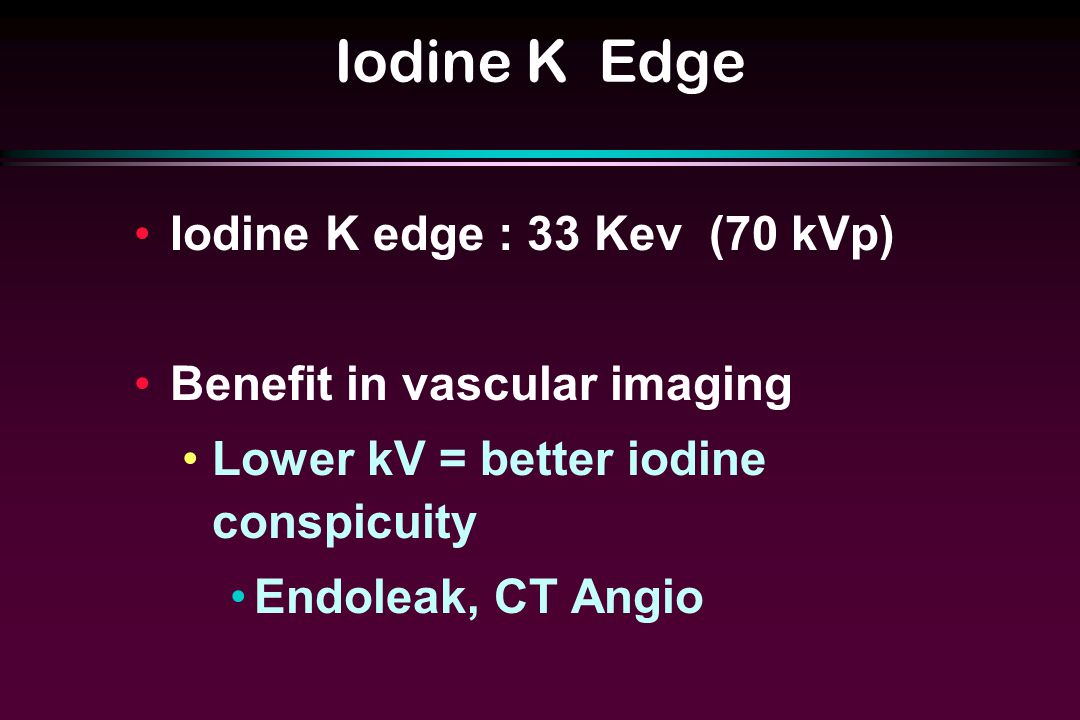
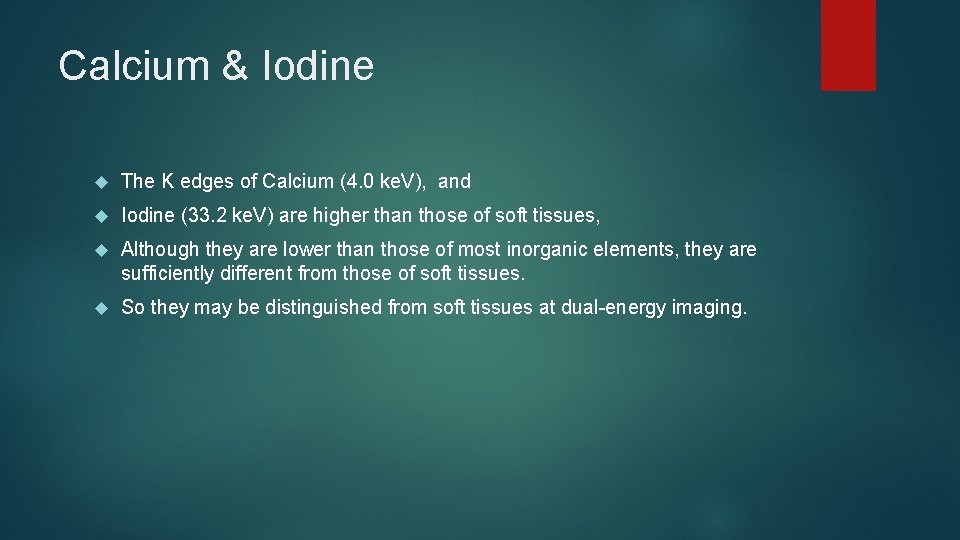
Iodine (I)based compounds are the preferred contrast media in computed tomography The relation between iodine (Z = 53) and its Kedge has been investigated 17, 18 and is set at 33 keVThe Iodine Kedge characteristics may be exploited in dualenergy and also lowkVp monoenergetic CT protocols 19–25The advantage is the enhanced conspicuity of iodine It is shown that, for separation of iodine from one other material, a two beam K edge approach requires less integral dose than a two beam technique at conventional CT energies for slice diameters up to 30 cm For selective iodine imaging in the presence of more than one other material, the three spectrum K edge technique is a necessity Rationale behind low kV and low keV CT angiography Iodine attenuation increases at lower tube potentials due to decreased Compton scattering and greater photoelectric effect when photon energy approaches the kedge of iodine (332 keV) 2 As a result, the use of low tube potentials provides greater contrast enhancement, allowing for contrast
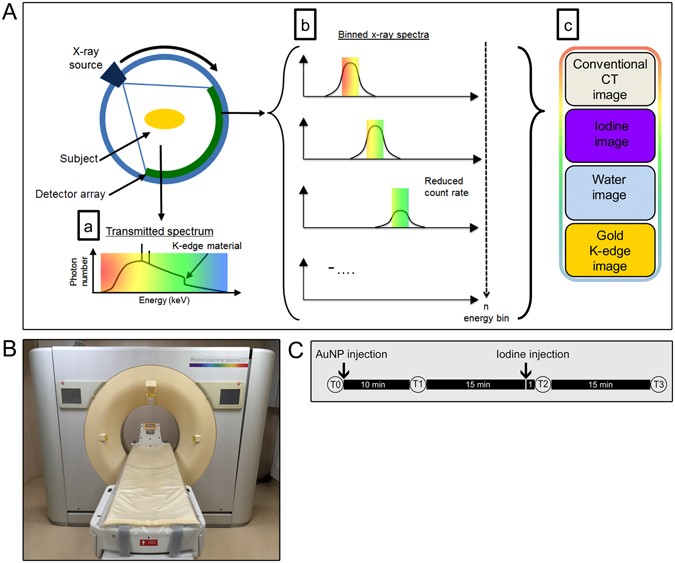
Multicolor Spectral Photon Counting Computed Tomography In Vivo Dual Contrast Imaging With A High Count Rate Scanner Scientific Reports

Spectral Imaging Radiography Wikipedia
Kedge Contrast Agent Imaging • Detect contrast agent, even if CT number is indistinguishable from soft tissue • Direct quantification of concentration • Kedge of iodine (33 keV) may be too low Conventional CT kVp Spectral CTDual 10x error, 3x noise Targeted Kedge Agents Cormode, Radiology 10 Gold nanoparticles targeted to atherosclerosis
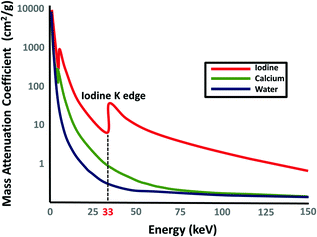
Dual Multi And Mono Energy Ct Iodine Basic Concepts And Clinical Applications Radiology Key

Pdf The Hidden K Edge Signal In K Edge Imaging

K Edge Subtraction Synchrotron X Ray Imaging In Bio Medical Research Physica Medica European Journal Of Medical Physics
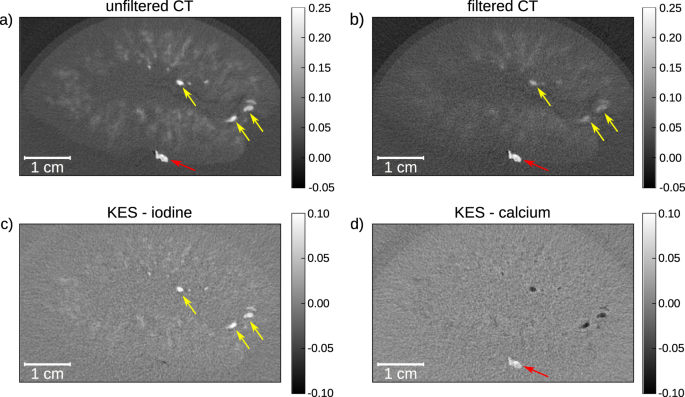
K Edge Subtraction Computed Tomography With A Compact Synchrotron X Ray Source Scientific Reports

Spectral Capabilities Dectris
Http Mj Med U Tokai Com Pdf 4101 Pdf

Gadolinium On Ct Questions And Answers In Mri

Spectral Capabilities Dectris

K Edge Imaging Visualization Of Multi Material Decomposition In Ct Using Virtual Mono Energetic Images

Dual Energy Multidetector Ct How Does It Work What Can It Tell Us And When Can We Use It In Abdominopelvic Imaging Radiographics
K Edge

Comparison Of Four Contrast Medium Delivery Protocols In Low Iodine And Low Radiation Dose Ct Angiography Of The Aorta Clinical Radiology
Pubs Rsna Org Doi Pdf 10 1148 Radiol

Opportunities For New Ct Contrast Agents To Maximize The Diagnostic Potential Of Emerging Spectral Ct Technologies Sciencedirect

Gadolinium On Ct Questions And Answers In Mri
Pubs Acs Org Doi Pdf 10 1021 Acs Bioconjchem 7b
Osa Model And Reconstruction Of A K Edge Contrast Agent Distribution With An X Ray Photon Counting Detector
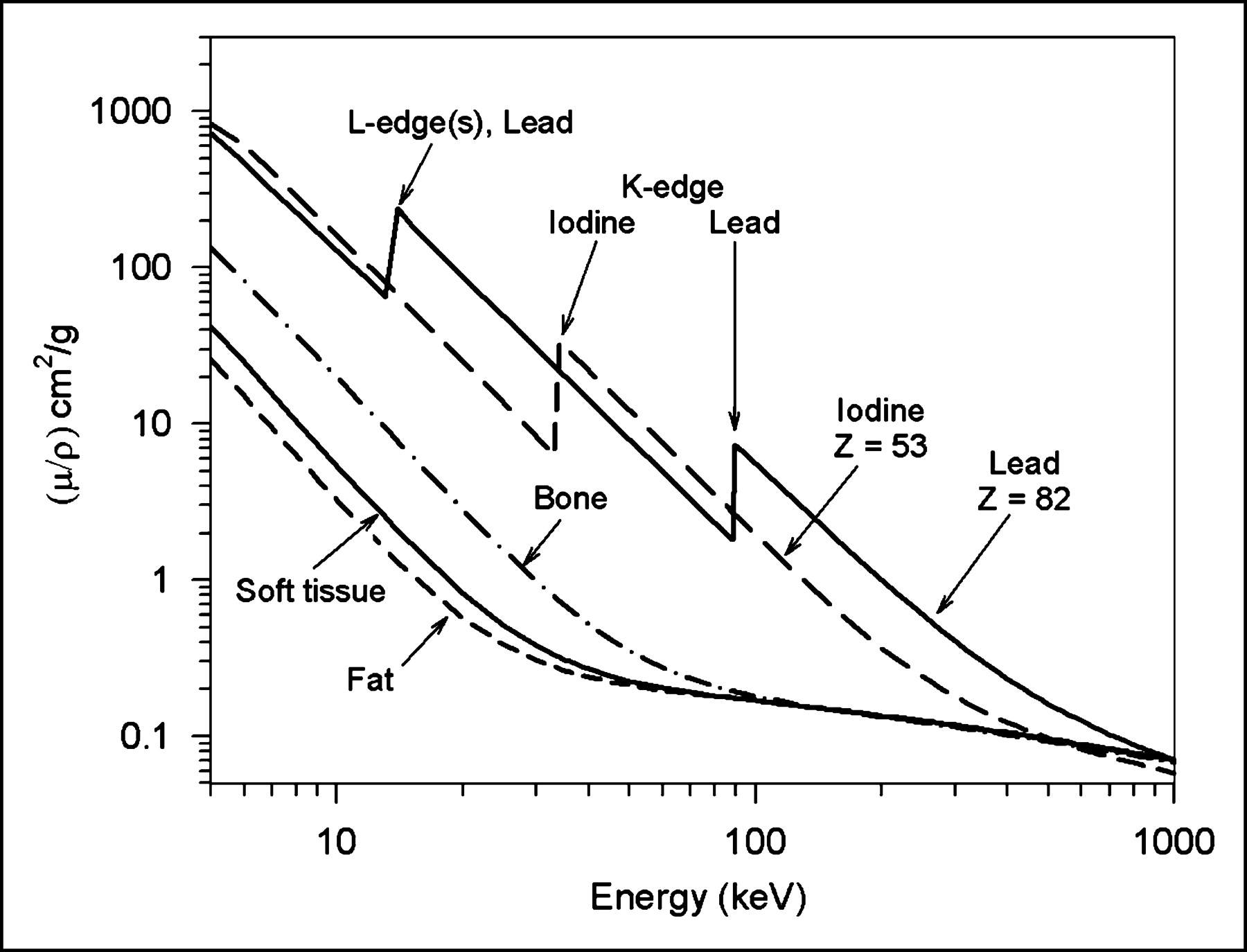
X Ray Imaging Physics For Nuclear Medicine Technologists Part 2 X Ray Interactions And Image Formation Journal Of Nuclear Medicine Technology

Spectral Photon Counting Ct Initial Experience With Dual Contrast Agent K Edge Colonography Chair Of Biomedical Physics

Demonstration Of Iodine K Edge Imaging By Use Of An Energy Discrimination X Ray Computed Tomography System With A Cadmium Telluride Detector Springerlink
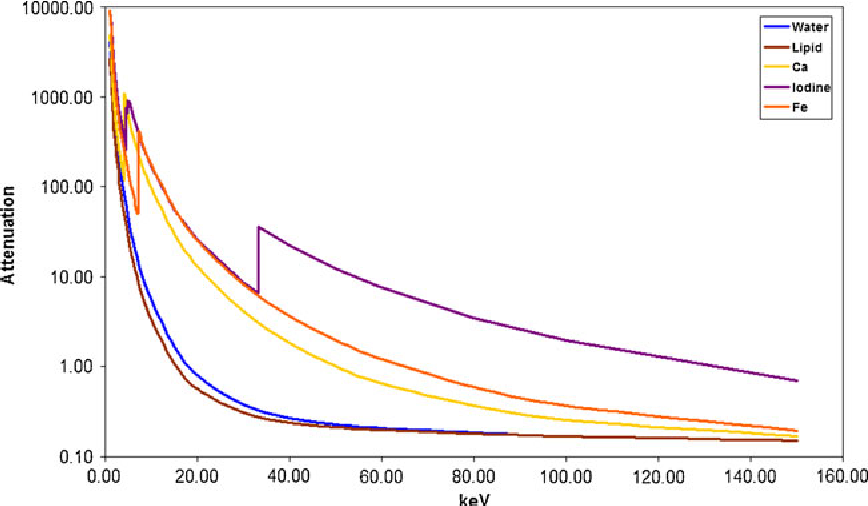
Figure 2 From Spectral Hounsfield Units A New Radiological Concept Semantic Scholar

New Applications Of Cardiac Computed Tomography Dual Energy Spectral And Molecular Ct Imaging Sciencedirect
Dual Energy
Dualenergy Multidetector Ct How Does It Work What

Dual Energy Multidetector Ct How Does It Work What Can It Tell Us And When Can We Use It In Abdominopelvic Imaging Radiographics
Www Neuroimaging Theclinics Com Article S1052 5149 17 9 Pdf
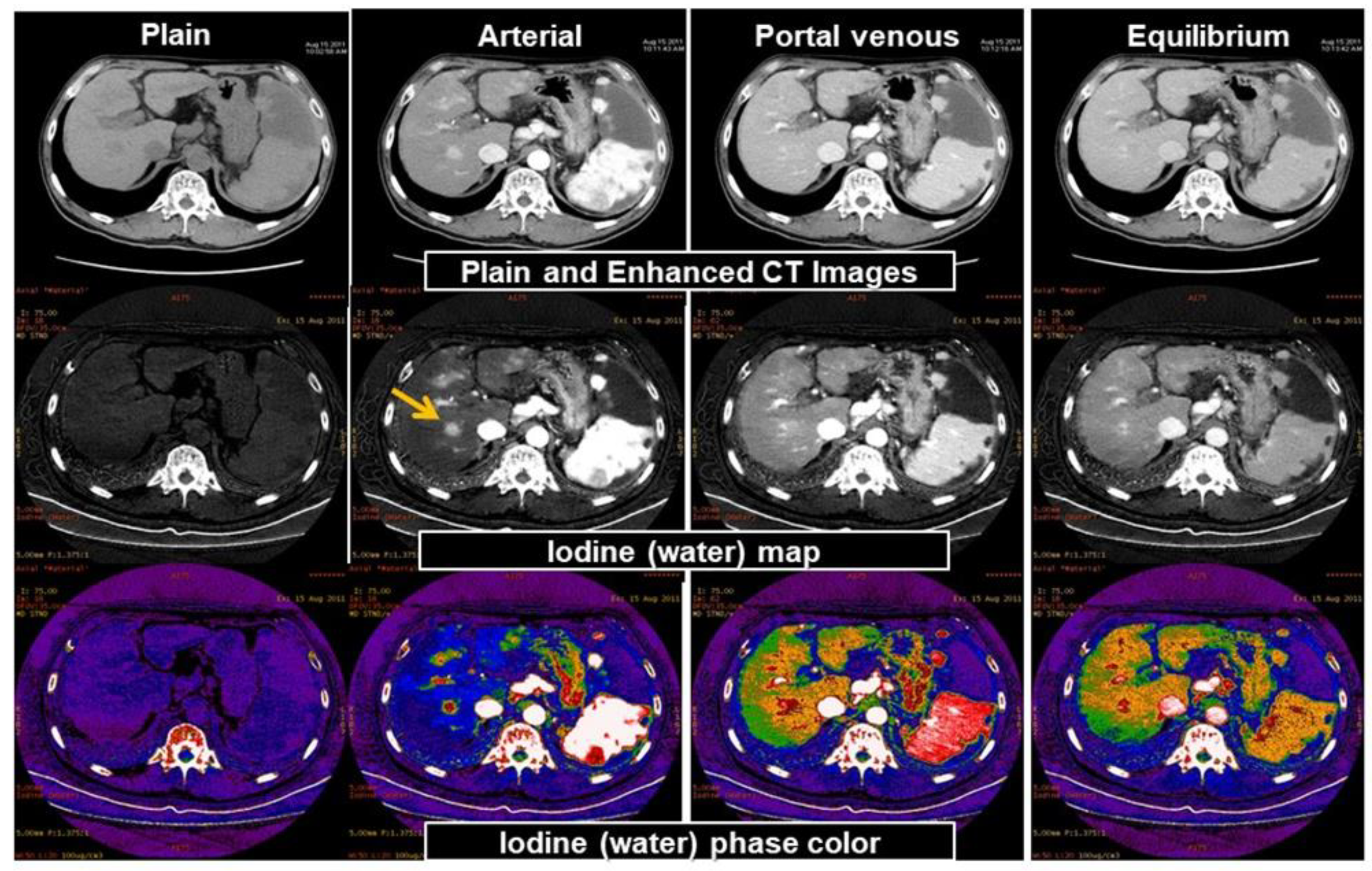
Diagnostics Free Full Text Dual Energy Computed Tomography Of The Liver Uses In Clinical Practices And Applications Html

New Applications Of Cardiac Computed Tomography Dual Energy Spectral And Molecular Ct Imaging Sciencedirect
Www Osapublishing Org Viewmedia Cfm Uri Oe 25 8 9378 Seq 0

Spectrum Optimization In Photon Counting Detector Based Iodine K Edge Ct Imaging
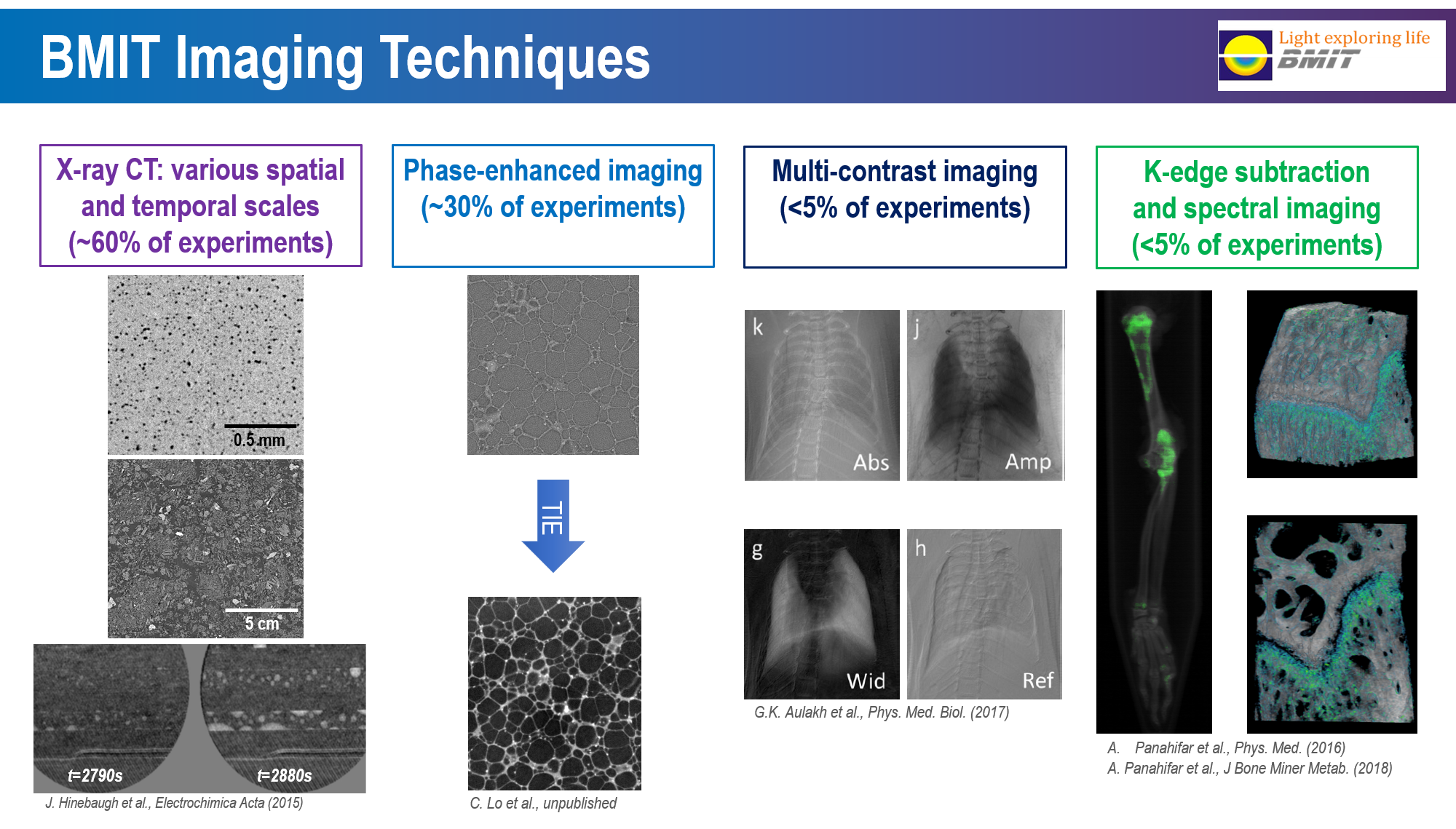
Bmit Techniques

Demonstration Of Enhanced Iodine K Edge Imaging Using An Energy Dispersive X Ray Computed Tomography System With A 25 Mm S Scan Linear Cadmium Telluride Detector And A Single Comparator Sciencedirect

Demonstration Of Iodine K Edge Imaging By Use Of An Energy Discrimination X Ray Computed Tomography System With A Cadmium Telluride Detector Springerlink

Spectral Capabilities Dectris
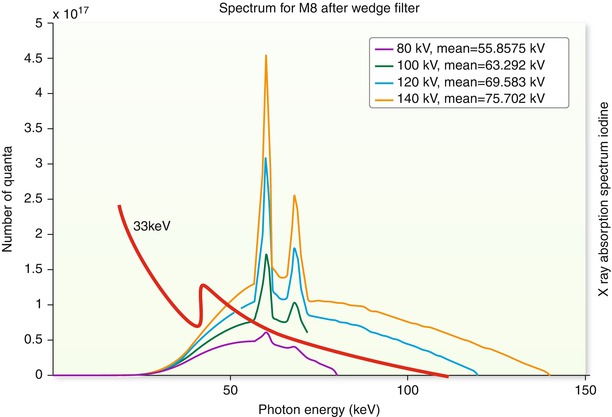
Pediatric Cardiac Imaging I Ct And Mr Techniques Radiology Key

Representation Of The K Edge Energies And Thresholds Dotted Lines Download Scientific Diagram
Http Amos3 pm Org Abstracts Pdf 166 Pdf
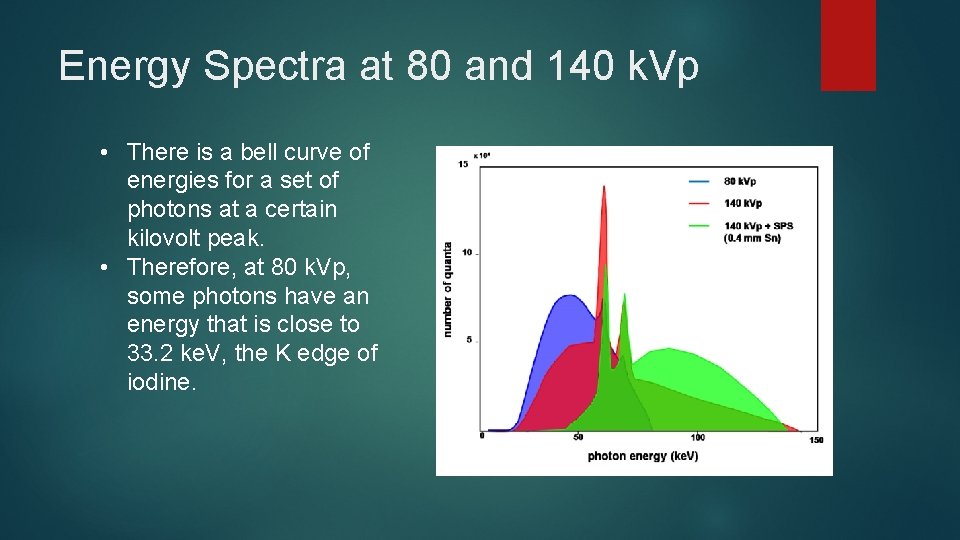
Dualenergy Multidetector Ct How Does It Work What
Pubs Rsna Org Doi Pdf 10 1148 Radiol

Dual Energy On Dual Source Ct In Abdominal Imaging Journal Of Advanced Health Care
Osa Model And Reconstruction Of A K Edge Contrast Agent Distribution With An X Ray Photon Counting Detector
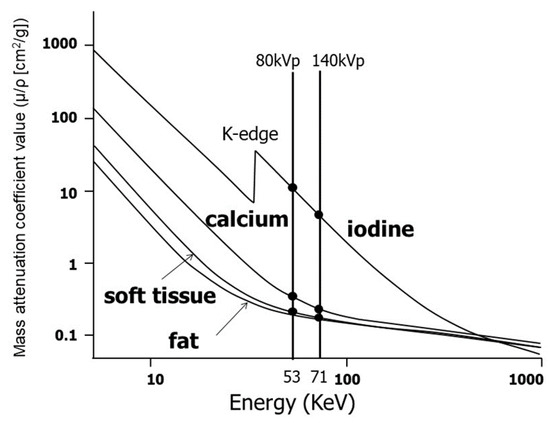
Diagnostics Free Full Text Dual Energy Computed Tomography Of The Liver Uses In Clinical Practices And Applications Html
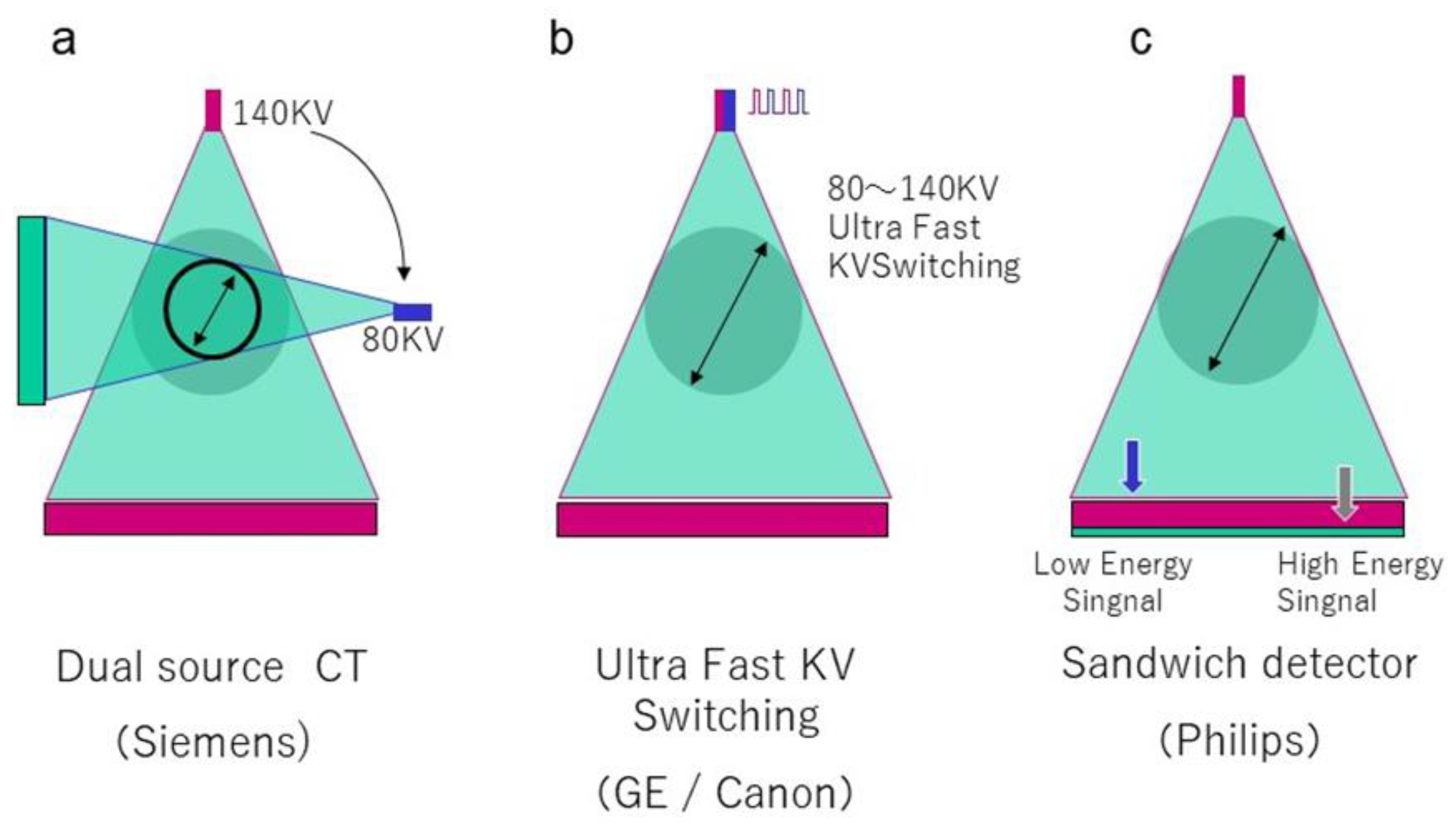
Diagnostics Free Full Text Dual Energy Computed Tomography Of The Liver Uses In Clinical Practices And Applications Html

Spectral K Edge Subtraction Imaging Of Experimental Non Radioactive Barium Uptake In Bone Sciencedirect
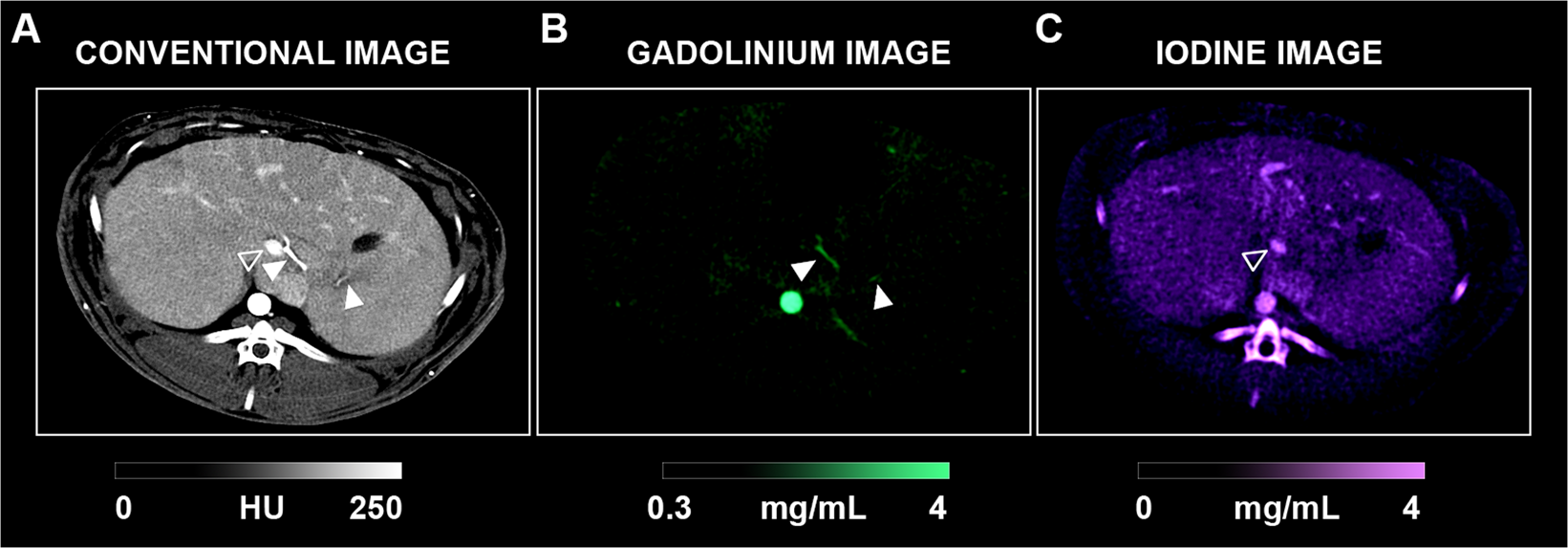
Spectral Photon Counting Computed Tomography Spcct In Vivo Single Acquisition Multi Phase Liver Imaging With A Dual Contrast Agent Protocol Scientific Reports
Www Jscimedcentral Com Biomedicaldata Biomedicaldata 3 1007 Pdf

K Edge Subtraction Imaging For Iodine And Calcium Separation At A Compact Synchrotron X Ray Source

Mass Attenuation Of Various Materials In The Diagnostic Imaging Range Download Scientific Diagram
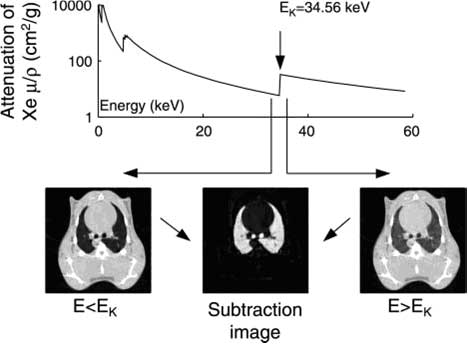
Bronchography Lung Structure And Function Studied By K Edge Subtraction Imaging

Pdf K Edge Subtraction Computed Tomography With A Compact Synchrotron X Ray Source
1
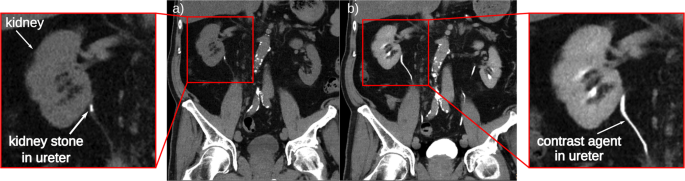
K Edge Subtraction Computed Tomography With A Compact Synchrotron X Ray Source Scientific Reports

Demonstration Of Enhanced Iodine K Edge Imaging Using An Energy Dispersive X Ray Computed Tomography System With A 25 Mm S Scan Linear Cadmium Telluride Detector And A Single Comparator Sciencedirect
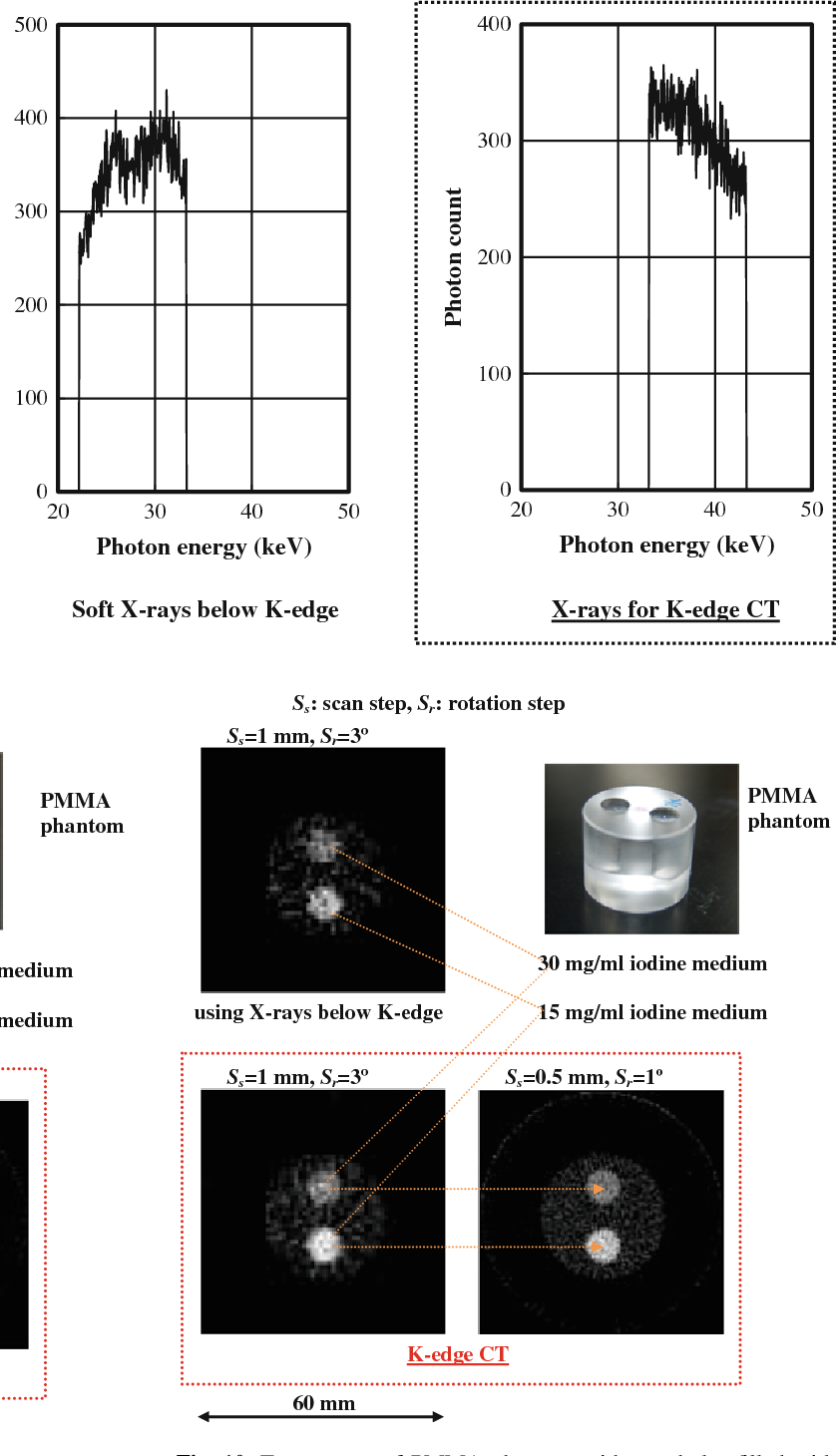
Demonstration Of Iodine K Edge Imaging By Use Of An Energy Discrimination X Ray Computed Tomography System With A Cadmium Telluride Detector Semantic Scholar

New Applications Of Cardiac Computed Tomography Dual Energy Spectral And Molecular Ct Imaging Sciencedirect

Dual Energy Ct
Demonstration Of Iodine K Edge Imaging By Use Of An Energy Discrimination X Ray Computed Tomography System With A Cadmium Telluride Detector Semantic Scholar

X Ray Spectra From A Cerium Target And Their Application To Cone Beam K Edge Angiography

Contrast Agents For Ct 3 And Next Generation Ct Techniques Ppt Video Online Download
New Applications Of Cardiac Computed Tomography Dual Energy Spectral And Molecular Ct Imaging Abstract Europe Pmc
Strategies To Lower Ct Contrast Dose And Track Usage Imaging Technology News
Tech Snmjournals Org Content Jnmt 47 3 1 Full Pdf

Barium Iodine Imaging Physics Ppt Video Online Download

The K Edge Of Iodine Is 33 17 Kev And That Of Gadolinium 50 2 Kev The Download Scientific Diagram
K Edge Subtraction Computed Tomography With A Compact Synchrotron X Ray Source Scientific Reports

Spectrum Optimization In Photon Counting Detector Based Iodine K Edge Ct Imaging
Jaypeedigital Ebook Reader
Differentiation Between Blood And Iodine In A Bovine Brain Initial Experience With Spectral Photon Counting Computed Tomography Spcct
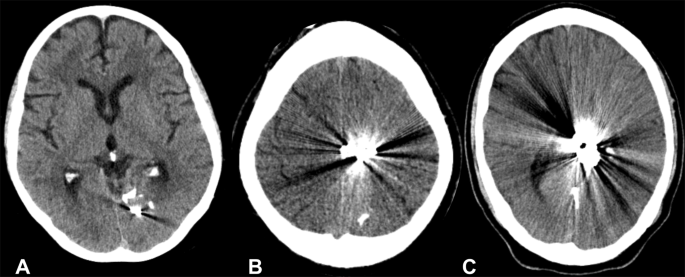
Liquid Embolic Agents In Spectral X Ray Photon Counting Computed Tomography Using Tantalum K Edge Imaging Scientific Reports

In Vivo Molecular K Edge Imaging Of Atherosclerotic Plaque Using Photon Counting Ct Radiology
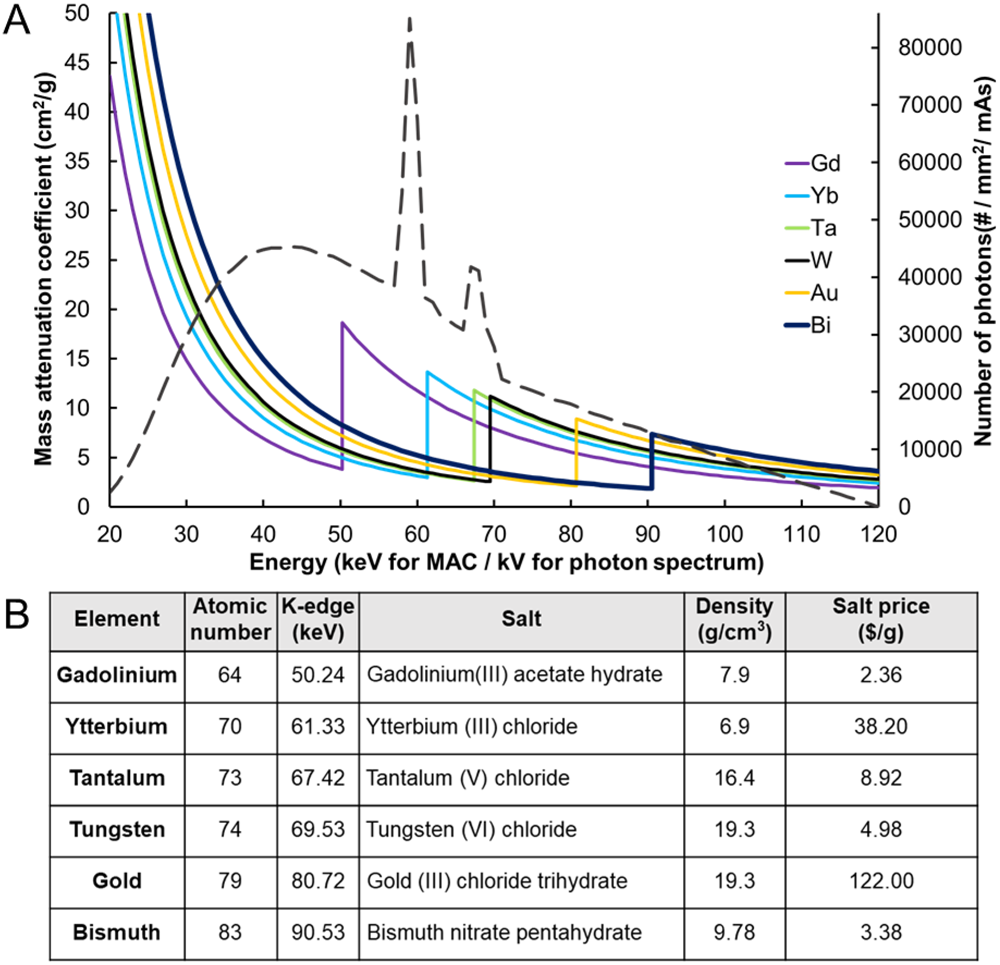
Assessment Of Candidate Elements For Development Of Spectral Photon Counting Ct Specific Contrast Agents Scientific Reports

New Applications Of Cardiac Computed Tomography Dual Energy Spectral And Molecular Ct Imaging Abstract Europe Pmc
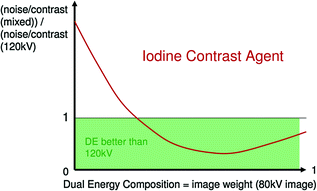
Introduction And Technical Principles Radiology Key

Demonstration Of Iodine K Edge Imaging By Use Of An Energy Discrimination X Ray Computed Tomography System With A Cadmium Telluride Detector Springerlink

Gold As A Potential Contrast Agent For Dual Energy Ct

A X Ray Attenuation Of 18mg Ml Iodine Showing The K Edge At Download Scientific Diagram

Demonstration Of Iodine K Edge Imaging By Use Of An Energy Discrimination X Ray Computed Tomography System With A Cadmium Telluride Detector Springerlink
Graph Shows Attenuation Coefficient As A Function Of Energy For Water Download Scientific Diagram
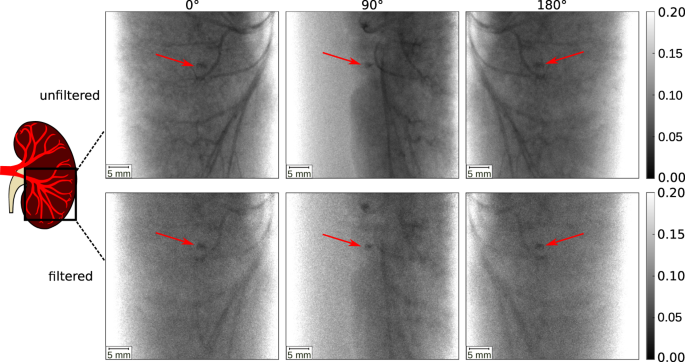
K Edge Subtraction Computed Tomography With A Compact Synchrotron X Ray Source Scientific Reports
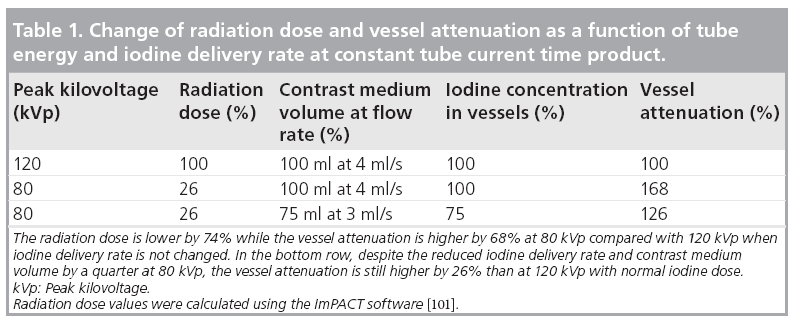
Low Dose Pulmonary Ct Angiography Reduced Radiation Exposure And Iodine Load At Low Tube Kilovoltage

Gold As A Potential Contrast Agent For Dual Energy Ct
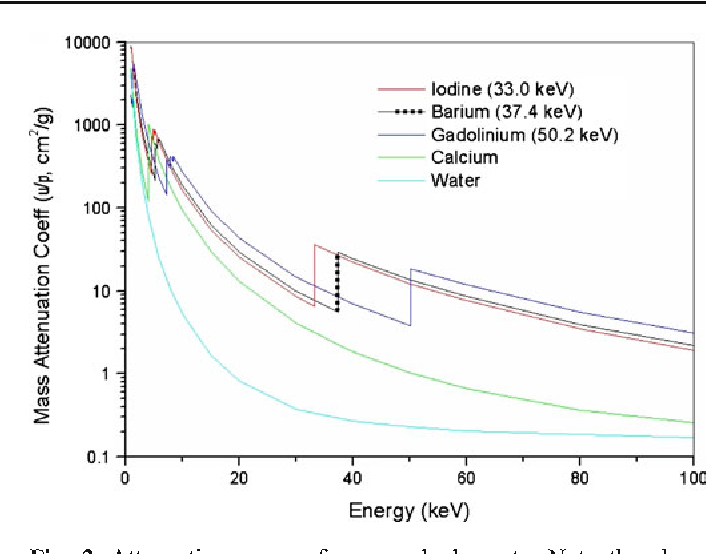
Figure 2 From Spectroscopic Multi Energy Ct Distinguishes Iodine And Barium Contrast Material In Mice Semantic Scholar


0 件のコメント:
コメントを投稿